In cross-section
How they are built
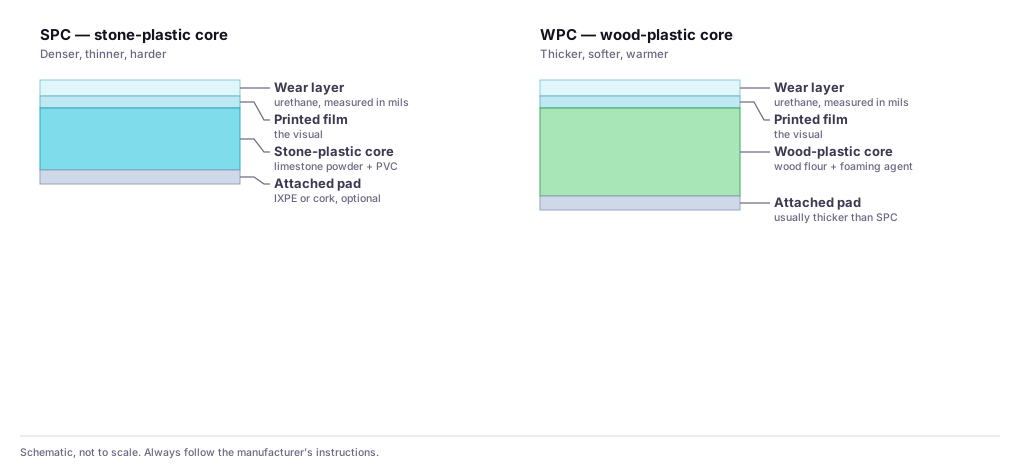
SPC is denser and harder, so it dents less and hides subfloor flaws worse. WPC is thicker and softer, so it feels warmer and quieter but dents more easily. Commercial and heavy-furniture settings favor SPC; residential comfort favors WPC.
Installed cost includes material and professional labor. Ratings are relative across all 18 materials on this site, not absolute scores.
| Luxury Vinyl Plank — SPC (Rigid Core) | Luxury Vinyl Plank — WPC (Wood-Plastic Core) | |
|---|---|---|
| Installed cost per sq ft | $4.00–$11.00 | $5.00–$13.00 |
| Expected service life | 15–25 years | 15–25 years |
| Cost per sq ft per year | $0.38 | $0.45 |
| Durability | 4/5 | 3/5 |
| Water resistance | 5/5 | 5/5 |
| Comfort underfoot | 2/5 | 4/5 |
| Sound absorption | 3/5 | 4/5 |
| Ease of maintenance | 5/5 | 5/5 |
| DIY friendliness | 5/5 | 5/5 |
| Environmental profile | 2/5 | 2/5 |
| Traffic rating | Extreme | Heavy |
| Commercially rated | Yes | No |
The points that decide this in practice — not the spec sheet items that read well but rarely change anyone's mind.
SPC is stone-plastic composite — limestone powder and PVC, dense and rigid. WPC is wood-plastic composite, using wood flour and foaming agents, making it thicker and lighter. Everything else follows from that density difference, so once you understand the core you can predict how the plank behaves.
SPC resists point loads better: refrigerator feet, piano legs, office chair casters. WPC has more give, which reads as comfort underfoot but also means it takes impressions more readily. You cannot have both properties in the same plank, so decide which failure mode you would rather live with.
SPC is thin and rigid, so it follows the subfloor and reveals bumps, ridges and trowel marks. WPC is thicker and bridges minor imperfections better. Neither substitutes for proper floor preparation — but if you are installing over an older subfloor you are not going to level perfectly, WPC is more forgiving.
SPC sounds harder and hollower; WPC reads as warmer and quieter. Attached underlayment on either product helps considerably. If acoustics are a real concern, look at the IIC rating for the specific assembly rather than assuming the core type settles it.
$4.00–$11.00 per sq ft installed, lasting 15–25 years — about $0.38 per sq ft per year.
Wear layer is the whole ballgame. 12 mil minimum for a family home, 20 mil for anything commercial. Below 8 mil is a rental-grade product.
$5.00–$13.00 per sq ft installed, lasting 15–25 years — about $0.45 per sq ft per year.
Choose WPC upstairs and in bedrooms for comfort and quiet; choose SPC downstairs and in kitchens for dent resistance. Many homes use both.
Neither wins outright. SPC is denser and more dent-resistant, better for heavy furniture, commercial use and temperature swings. WPC is thicker, warmer and quieter underfoot and more forgiving over imperfect subfloors. Match the core to the room rather than looking for a universal answer.
Yes — both SPC and WPC have waterproof cores. The vulnerability in any click-together floating floor is not the plank but what happens beneath it: water that gets under the floor and stays there can affect the subfloor even when the planks themselves are unharmed.
Less than WPC, and less than standard LVT. SPC is the most dent-resistant of the vinyl plank options because of its dense stone-composite core, which is why it is preferred where heavy furniture or rolling loads are involved.
Buy LVP if the room will ever see standing water. Buy laminate if you want the most convincing wood look and the room…
Engineered hardwood is real wood that can be refinished and adds resale value. LVP is waterproof, cheaper and more…
This is usually a room-by-room decision, not a whole-house one. LVP wins on cleaning, water, pets and resale. Carpet…
Sheet vinyl is the more genuinely waterproof installation because it has almost no seams. LVP looks far better, repairs…
Porcelain lasts decades and is effectively permanent; LVP is warmer, softer, quieter, cheaper to install and easier to…
VCT is the cheapest floor to buy and one of the most expensive to own, because it needs stripping and re-waxing one to…